
Can Cataracts Cause Night Driving Problems?
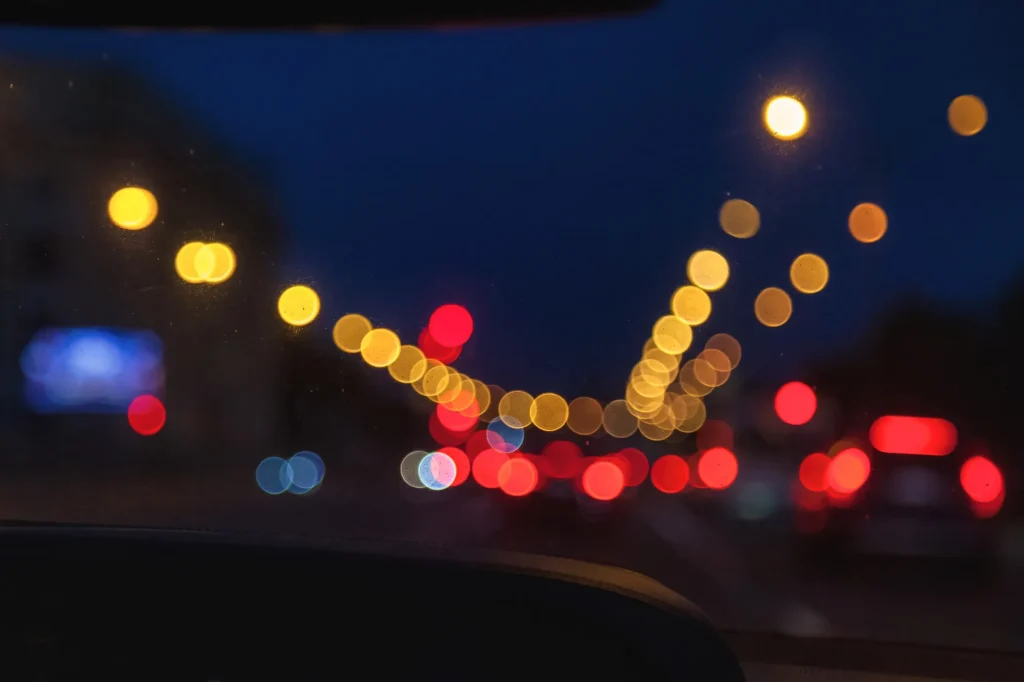
If driving after dark feels more stressful than it used to, cataracts may be playing a role.
Many patients first notice cataracts not while reading or watching TV—but while driving at night.
At Eyesight Medical Center, night driving complaints are one of the most common reasons patients schedule cataract evaluations.
Why Cataracts Affect Night Driving
Cataracts cloud the eye’s natural lens, making it harder for light to focus clearly.
At night, this can create several challenges:
• Glare from headlights
• Halos around lights
• Reduced contrast
• Difficulty seeing lane markings
• Slower adjustment between bright and dark areas
• Trouble reading street signs
Why It Often Feels Worse at Night
During the day, bright sunlight can compensate somewhat for cloudy lenses.
At night, reduced lighting conditions make cataract symptoms much more noticeable.
That’s why many patients say:
“I’m okay during the day, but I hate driving at night.”
Is It Dangerous or Risky?
Most patients that have cataracts feel fine driving during the day but hate to drive at night due to their diminished vision. Night driving with cataracts can become a safety concern if visibility is reduced.
If you avoid driving after dark, feel anxious behind the wheel, or struggle with headlights, it may be time for an evaluation.
Cataract Surgery Often Restores Confidence
Modern cataract surgery removes the cloudy lens and replaces it with a clear lens implant.
Many patients report dramatic improvement in:
• Night driving clarity
• Reduced glare
• Sharper road signs
• Better confidence behind the wheel
Trusted Cataract Care in Tonawanda
Dr. Nicholas Stathopoulos provides personalized cataract care for patients throughout Tonawanda, Buffalo, Kenmore, Amherst, and Western New York.
If night driving has become difficult, schedule a cataract consultation today. 716-837-5200